Prameha: the older name for diabetes
Acharyas in India classified diabetes into twenty forms long before anyone could measure glucose or insulin. Part one: what Prameha is, how it progresses, and how to find out where you stand. Part one: what Prameha is, how it progresses, and how to find out where you stand.
Acharyas in India classified diabetes into twenty forms long before anyone could measure glucose or insulin.
There is an old test for this disease that needs no laboratory. You pass urine on open ground, and you watch whether the ants come.
That is where the name madhumeha comes from — madhu, honey; meha, to pass. Sweetness leaving the body. Acharyas in India were describing this, and classifying it into twenty distinct forms, centuries before anyone could measure a milligram of glucose.
This is the first of two parts. Here we look at what Prameha is, how it progresses, and how to find out where you stand. The second part covers what the texts prescribe once you know.
What Prameha actually means
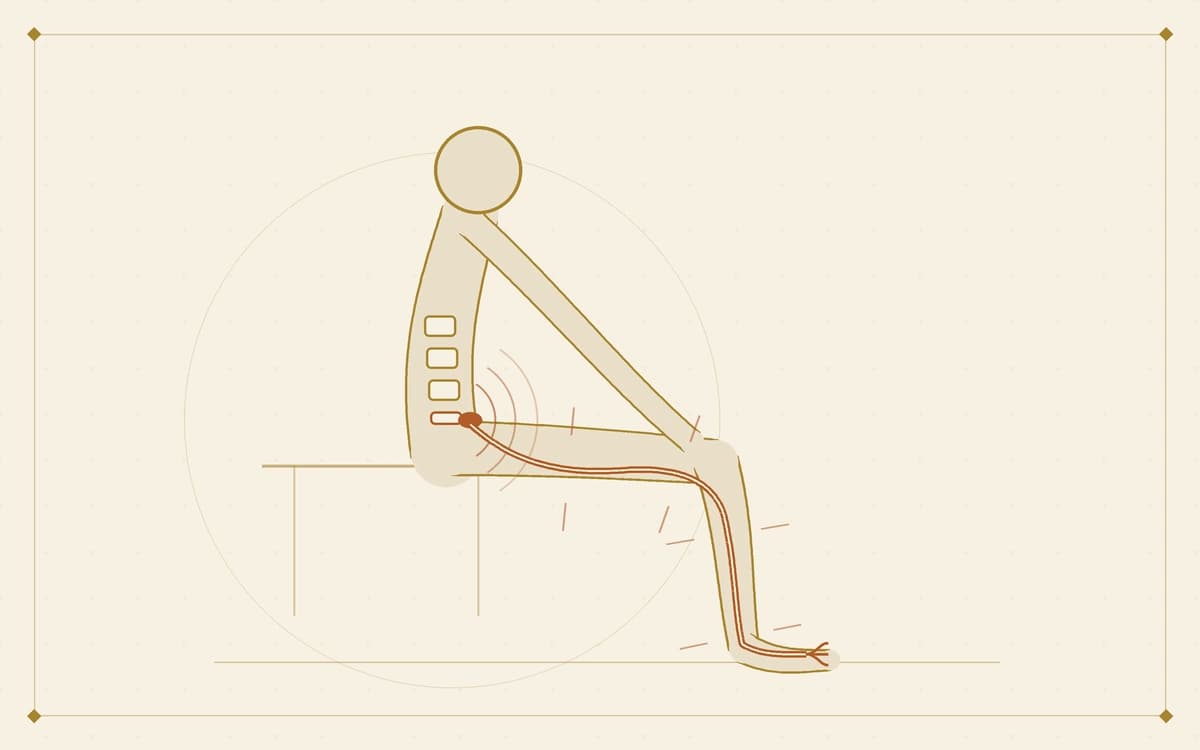
Ayurveda names three places in the body as trimarma — the three vital seats. They are hridaya (the heart), shirsa (the head) and basti (the bladder and the urinary system).
Prameha is a disease of the third.
Its defining sign is written as prabhūta āvila mūtratā — prabhūta, abundant; āvila, turbid or cloudy; mūtra, urine. Passing a lot of urine, and passing it unclear.
Anyone living with type 2 diabetes will recognise the description immediately: getting up at night to pass urine, thirst that does not settle, tiredness that sleep does not fix.
Prameha is not the discovery of a symptom. It is the naming of a pattern — and the pattern has not changed in two thousand years.
Samprapti (Pathophysiology)
The classical chain of causation is short enough to hold in your head.
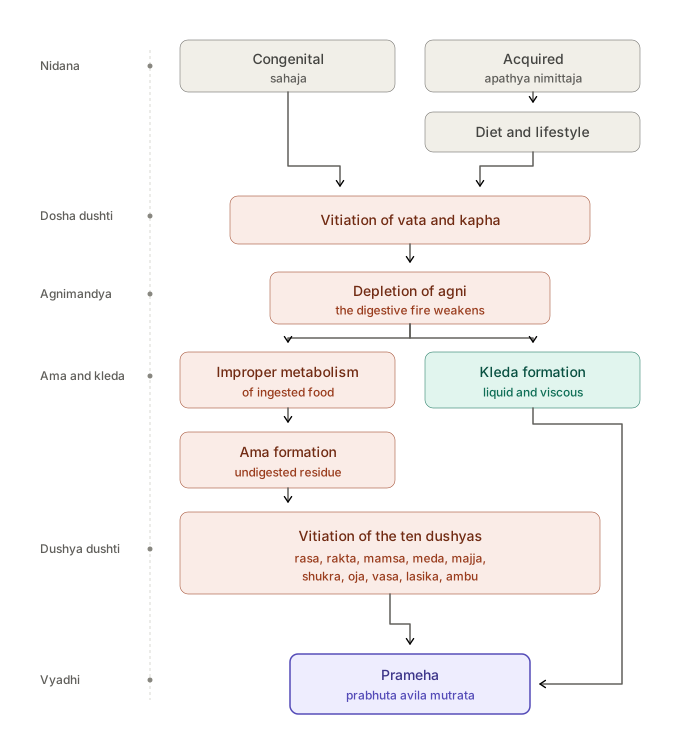
The samprapti of Prameha, from nidana to vyadhi.
Two things start it: what you were born with (sahaja) and what you did to yourself (apathya nimittaja — diet and lifestyle). Both arrive at the same place. Vata and kapha are disturbed, and agni, the digestive fire, drops.
From that single failure the disease forks. Food is no longer properly metabolised, so ama — undigested residue — accumulates. At the same time kleda, the wet, sticky, excess-moisture principle, builds up. Between them they corrupt the ten dushyas, the tissues and fluids the disease feeds on, and Prameha is established.
Which is the whole explanation, compressed to a sentence:
The body has become waterlogged, and the fire has gone down.
And which is why the treatment chapter can say this:
Though they eat the five kinds of food, all of it is converted into urine and fat only.
That is a startlingly modern observation. Food goes in. It does not become tissue, strength, or usable energy. It becomes two things — what you pass out, and what you store as fat.
A person with insulin resistance is in exactly that position. The fuel is in the blood. The cells cannot take it in. So the body dumps it through the kidneys and packs the rest away as fat, while the person feels hungry and exhausted at the same time.
The classical instruction that follows is therefore not "eat less". It is:
Raise the fire. Reduce the water and the fat.
The twenty forms — and why the number matters
Prameha is classified into twenty types by which doṣa is driving it:
- Kaphaja — 10 types. The largest group, and the earliest stage.
- Pittaja — 6 types. The middle.
- Vātaja — 4 types. The last, and the hardest.
This is not a filing system. It is a map of progression, and it reads uncomfortably like the modern course of the disease.
The useful message for a reader is not the taxonomy. It is this: which end of the map you are standing on decides how much your daily habits can still change. Earlier is not a mild version of later. It is a different situation entirely.
Which is why this is worth finding out early
Prameha is called a chirakālīna vyādhi — a disease of long duration — and one of the aṣṭa mahāgada, the eight great diseases. It is also listed among the anuṣaṅgi vikāra: the conditions that follow you.
The scale of it in India now is not in dispute. The ICMR-INDIAB national study estimates roughly 101 million people living with diabetes and a further 136 million with prediabetes. That second number is the one to sit with, because prediabetes is the kaphaja end of the map — the stage where the most is still recoverable, and the stage where almost nobody knows they are standing.
Reasons to get tested without waiting for symptoms
The premonitory signs the texts describe
Long before the urine changes, the classical texts list a set of pūrvarūpa — early signs that the disease is forming. Several of them are things a person would never think to mention to a doctor:
- You are over 40
- A parent or sibling has type 2 diabetes
- Anga gandha — bad body odour
- Shithilangata — flabbiness of the body
- Ghana angata — bulkiness of the body
- Shayyasana — a liking for constantly lying down; feeling sedentary
- Hrut upadeha — a feeling as if the heart region is coated with a paste
- Netra, jihva, shravana srava — exudation from the eyes, tongue and ears
- Kesha, kha, nakha ati vriddhi — excessive growth of hair and nails
- Sheeta priyata — a liking for cold things
- Gala, talu shosha — dryness of the throat and palate
- Madhura aasya — a sweet taste in the mouth
- Kara pada daha — burning sensation in the hands and feet
- Mutre pipilika — ants swarming on the urine
The tests are cheap and widely available: fasting blood glucose, HbA1c, and a post-meal reading. None of them require a specialist to order, and none of them require you to have symptoms first.
What to take away from part one
Ayurveda did not know about insulin. It did know, precisely, that a body could stop converting food into strength and start converting it into urine and fat — and it built its whole treatment logic around raising the fire rather than starving the person.
Before any of that logic can help you, though, you need to know where on the map you are standing. That is a blood test, not a judgement — and it costs very little.
Part two of two → Treating Prameha: what the texts actually prescribe
This article is only for educational purposes, not a prescription. It does not replace your doctor, your Vaidya, or your medication. If you have diabetes, keep testing, and take any change — herbal or dietary — to whoever manages your treatment.
Educational content, not medical advice. Ayurveda is complementary to medical care, never a replacement for it. Talk to a Vaidya or your doctor before changing anything you take.
Five minutes. No card.